
A Label Doesn’t Define You. But Sometimes It Sets You Free.
- Anna

- Mar 19
- 4 min read
My late ADHD diagnosis, what I wish I’d known sooner, and why Neurodiversity Celebration Week matters.

My daughter was two years old and we were supporting her with some delayed motor milestones. My husband had attended an appointment with her and when I read back through the notes, I spotted it: "Family history: mum is dyspraxic."
I turned to him, laughing. "You can't just tell medical professionals you think my brain is different without any evidence!"
He looked at me and said. "But you must be."
A few years later, I came across an article about the symptoms of women who receive late ADHD diagnoses. I showed it to him and asked, half joking, whether he thought it sounded like me. He read it carefully and said: "Absolutely no question. You have ADHD."
What ADHD can look like in women
For many women, the signs don't look like the classic image of ADHD - kids who can't sit still. Instead, maybe you were the daydreamy one, a bit scatty, written off as ditsy. You developed survival strategies without even realising it, and those strategies carried you through your twenties. Then life got bigger: work, children, responsibilities. And slowly, the strategies stopped working.
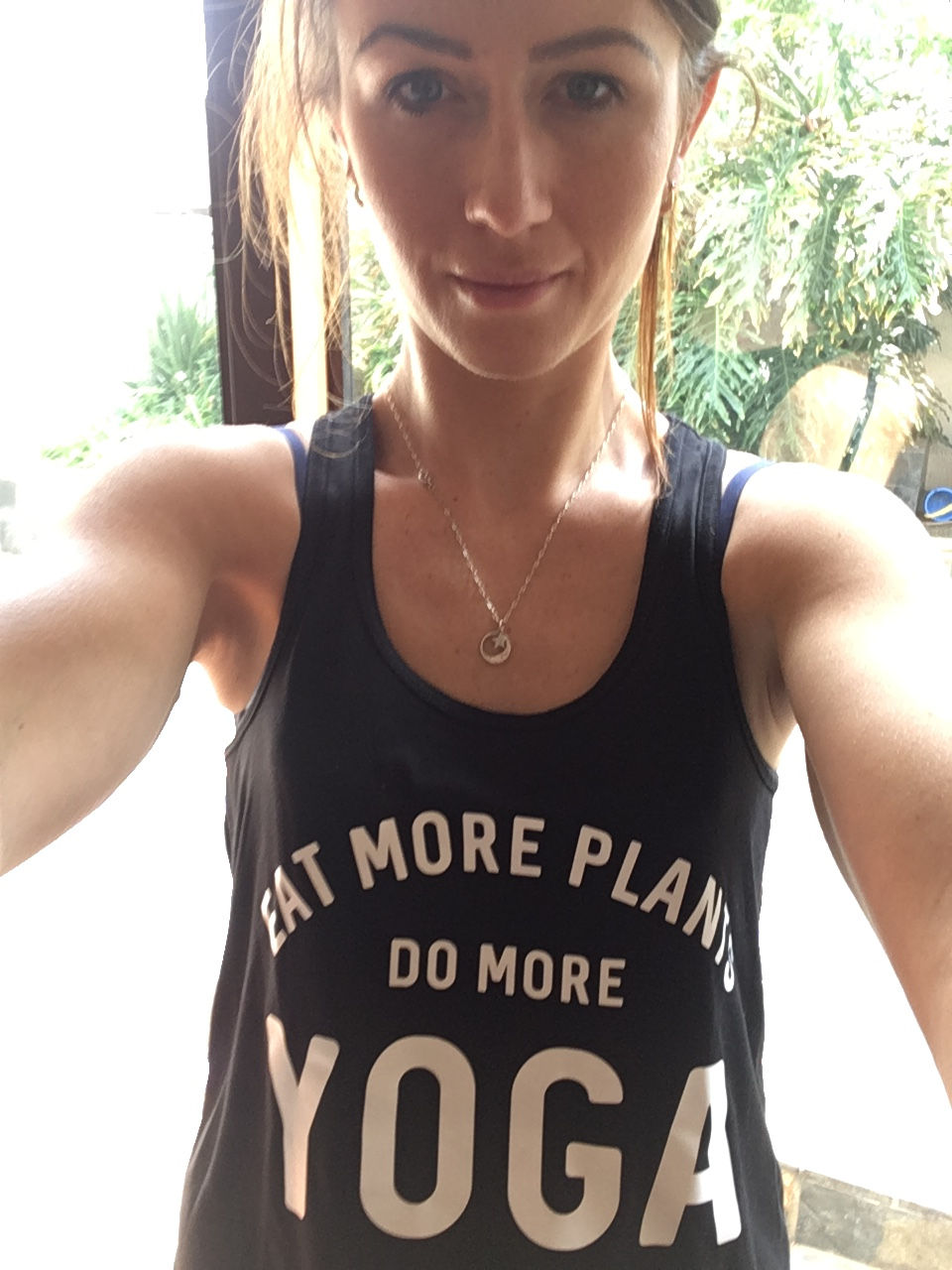
That was me.
I was hesitant to explore a diagnosis for a long time. I worried people would think I was jumping on a bandwagon, that ADHD was "over-diagnosed," that I was making excuses. People often describe me (being a yoga teacher) as very calm, which isn't exactly the image most people have of ADHD. And the thought of sitting in front of a doctor who might not believe me felt genuinely awful.
When my diagnosis came through there was no doubt. The QB Test that the NHS use came back at 97 out of 100, with inattention in the 99th percentile. My husband was right!
Even then, I didn't tell many people. It was two years before I told one of my closest friends, who is a GP, because I was still so worried about that "over-diagnosis" label. Eventually my husband told her on my behalf. When i then spoke to her she said "Anna, there is no doubt." Strangely, that was the moment I felt real relief.
When the old story stops making sense
I'm not sharing this to make ADHD the centre of my identity. But slowly, things from my past are starting to make more sense.
I was bright, but easily pulled towards friendships and fun. Revision plans made with good intentions rarely happened. For years I told myself I was a bit lazy.
Then recently I remembered something. At A-level I had two history teachers. One kept tight control of the classroom; one didn't. In the controlled classroom, I got 100% in my A-level exam. In the other, I got a C, and spent most of the time chatting. My teacher thought I was distracted by the boys. I thought the same about myself for a long time.
But there's a different story now. It wasn't that I didn't care about my history work. I was struggling to focus in an environment that didn't support me. I had the potential for A's but only when the environment was right for me.

University was similar. I was expected to sit alone in a library and read dense textbooks. I assumed I was lazy. But that's not the way I learn, If I had known more about my learning style, I would have done a different degree, or at least found a very different way of studying it.
On labels: the ones we're given, and the ones we choose
I completely understand why some parents hesitate about pursuing a diagnosis for their child. Nobody wants to put their child in a box they might never escape.
But here's the thing worth sitting with: what if the box they're already in isn't helping them?
Some children have quietly accepted that they are the naughty one, the one who always gets overwhelmed, the one who doesn't work as hard as their friends. And that story isn't true. They need different ways of learning, different environments, different kinds of support.
A label, when it's the right one, doesn't limit a child. It can offer them a new story about themselves. One that's much kinder, and much more accurate.
That's what Neurodiversity Week is really about, not just celebrating difference, but making sure every child has access to the understanding they deserve.

At Peaceful Parties, that's exactly what we hold at the heart of everything we do. We create sensory-friendly celebrations and experiences designed with neurodivergent children in mind, because every child deserves to celebrate in ways that they feel comfortable, included, and completely themselves.


Comments